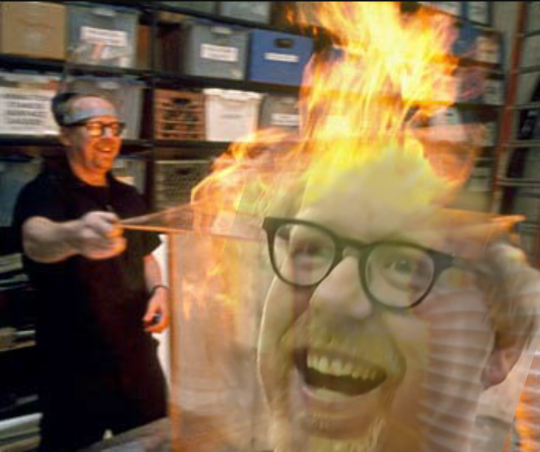
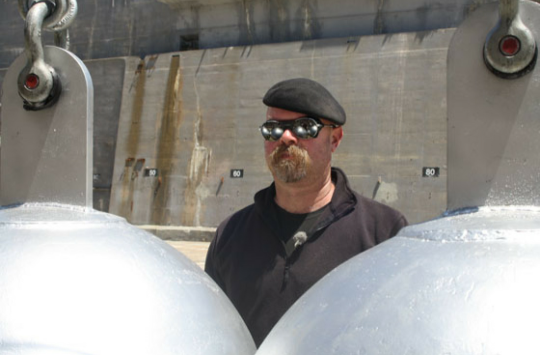
The dudes from mythbusters are the ultimate unstoppable force vs immovable object,, every time they interact its just
immovable object is an amazing description for a person who once said “I don’t think our death ray is working. I’m standing right in it, and I’m not dead yet.”
you ever just sit and realise u can’t remember 80% of your childhood? like … what happened? who am i ..?
Many people in the comments are saying “trauma”, but this is actually a very normal occurrence. It’s called Childhood Amnesia, and it’s a process which, as the brain reorganizes itself for cognitive thought that is developed in late childhood, it changes the Accessibility of those memories during recall. Many childhood memories are available to the person, but they will not be remembered during regular recall activity, you have to “trick” your brain into remembering with different tactics.
This is because there are two parts to memories – their encoding and their recall. The encoding determines their availability, their recall determines their accessibility. The reason why trauma memory and childhood amnesia are different is in this distinction. Trauma memory is often encoded differently, bypassing to the limbic system where it is stored as intrinsic memory. It can’t be recalled because it was never encoded. Childhood amnesia, however, seems to indicate that the memories are encoded, but we lose access to them as we age. This is most likely due to the development of brain structures that fundamentally change our encoding and recall of memory as we get older.
This is an important distinction, because trauma memory is “stored in the body”, i.e. you get triggers that send your body into a cascade of uncontrollable feelings, sensations and reactions. Whereas childhood memories won’t generally do that, they are just recalled at odd times with odd associations.
So what you’re saying is that I stored my childhood memories on 3.5″ floppies and that if I tried recalling them now, it’d be like jamming them ineffectually at the USB slots to the computer that is my current means of processing memories. Does that make therapists who help people recall childhood memories those tech support wizards who have a floppy reader somewhere?
This is the Adam Parrish piece to match my Gansey and Ronan pieces. At some point I’ll probably scan them in and create a master post for them, but for now here’s this.














 tumblr backup